Sofia Hansen · 5 September 2026
Unearthing the Past: Community Podcast Explores Town Archive Treasures
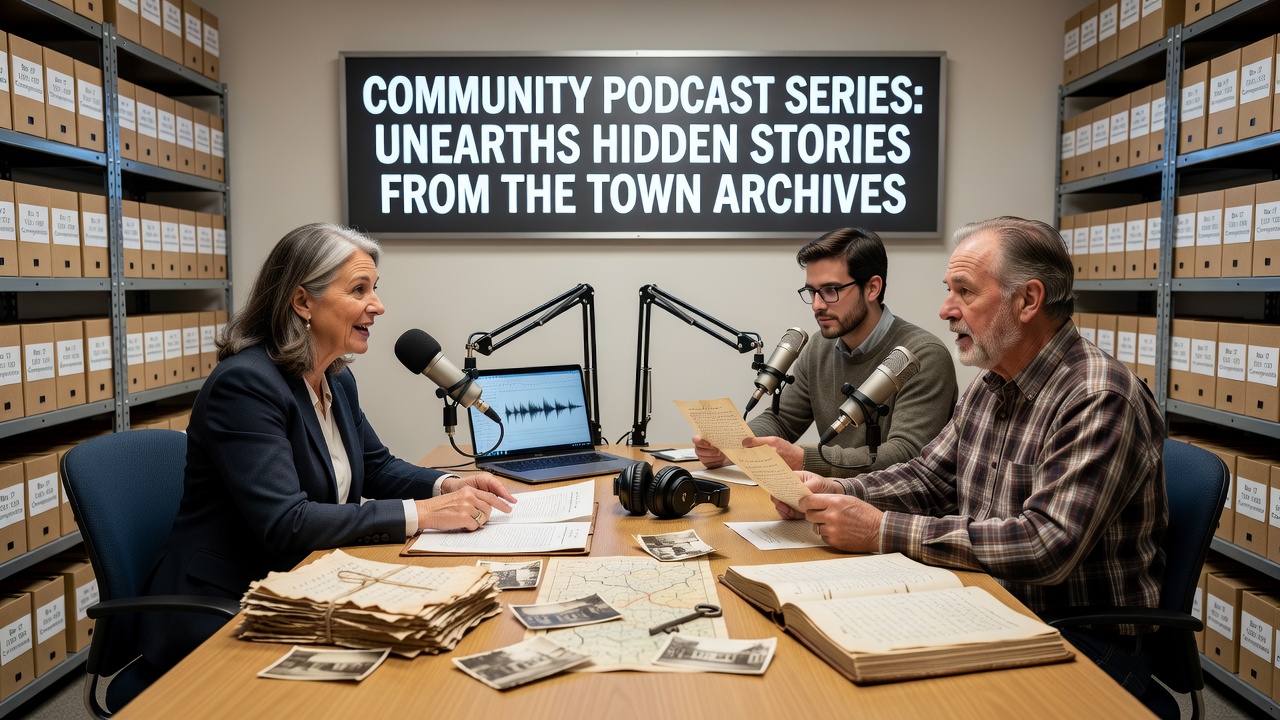
Community volunteers launched a podcast series that draws directly from municipal records to highlight overlooked narratives from decades past, and the project combines archival research with audio storytelling techniques to reach broader audiences. Organizers collected materials including handwritten letters, property deeds, and council minutes that date back to the early twentieth century, then structured each episode around a single document or cluster of related items to reveal how everyday decisions shaped neighborhood development over time. The format allows listeners to hear primary sources read aloud while historians provide context about social conditions during the periods covered, which creates a layered experience that blends education with narrative flow.
Origins of the Archive Project
Local historians first proposed the idea after noticing that physical archives remained underutilized despite growing public interest in regional history, and they partnered with audio producers who specialized in oral history recordings to convert static documents into dynamic episodes. Funding came through small grants from cultural preservation organizations plus volunteer time donated by residents who scanned and transcribed materials on weekends. Early planning meetings focused on selecting stories that connected personal accounts with larger events such as infrastructure changes or community migrations, ensuring each installment addressed both intimate details and broader patterns.
Episode Development and Research Methods
Researchers cross-referenced town ledgers with newspaper clippings and census data to verify facts before recording, while audio engineers experimented with sound design that incorporates period-appropriate music and ambient effects to immerse listeners without overwhelming the spoken content. One episode examined a 1932 petition for street lighting that revealed tensions between rural and suburban factions, and another traced a 1950s land dispute through multiple drafts of legal correspondence that showed shifting alliances among families. Producers maintain strict sourcing protocols so every claim traces back to verifiable records, and they publish episode transcripts alongside the audio files to support further study by students and genealogists.
Community Involvement and Listener Response
Residents contribute family photographs and oral recollections that supplement the written archives, which adds personal texture to episodes focused on public events, and feedback sessions held after each release help refine future topics based on what generates the strongest curiosity. Attendance at related archive open houses increased noticeably once the podcast began circulating, and local libraries reported higher requests for the same documents featured in recent installments. Data from the National Archives shows similar community-driven digitization efforts across multiple regions have expanded public access to historical materials by integrating audio formats with traditional collections.

Expansion Plans for September 2026
Producers announced that a new season scheduled for September 2026 will incorporate interactive maps and listener-submitted questions that guide deeper dives into specific archive sections, while live recording events will take place at the archive building itself to allow audiences to observe the research process firsthand. Partnerships with nearby schools will introduce student-produced segments that focus on documents from the 1960s and 1970s, aligning with curriculum units on local governance and civil rights milestones. Technical upgrades planned for the rollout include improved metadata tagging so episodes link directly to digitized scans hosted on the municipal website, which streamlines follow-up research for anyone interested in the source materials.
Preservation Techniques and Technical Standards
Archivists apply conservation methods recommended by international standards bodies to protect fragile documents during scanning, and they store high-resolution digital files in climate-controlled servers that meet guidelines from Library and Archives Canada for long-term accessibility. Audio files receive metadata labels that include timestamps for key historical references, allowing users to jump to specific sections when using the episodes for educational purposes. The team also maintains backup copies in multiple geographic locations to guard against data loss from equipment failure or natural events.
Conclusion
The podcast series continues to grow by maintaining close ties between audio production and rigorous archival practices, which ensures the stories remain grounded in verifiable evidence while reaching listeners who might otherwise never encounter the original records. Ongoing collaboration between volunteers, historians, and technical specialists supports steady expansion into new topics, and the September 2026 season promises additional tools for audience engagement that build on established methods. This approach demonstrates how local institutions can leverage digital formats to preserve and share community heritage without altering the integrity of the source materials.